The Mandelson Scandal Exposes the Real Problem: Why Does the House of Lords Still Exist
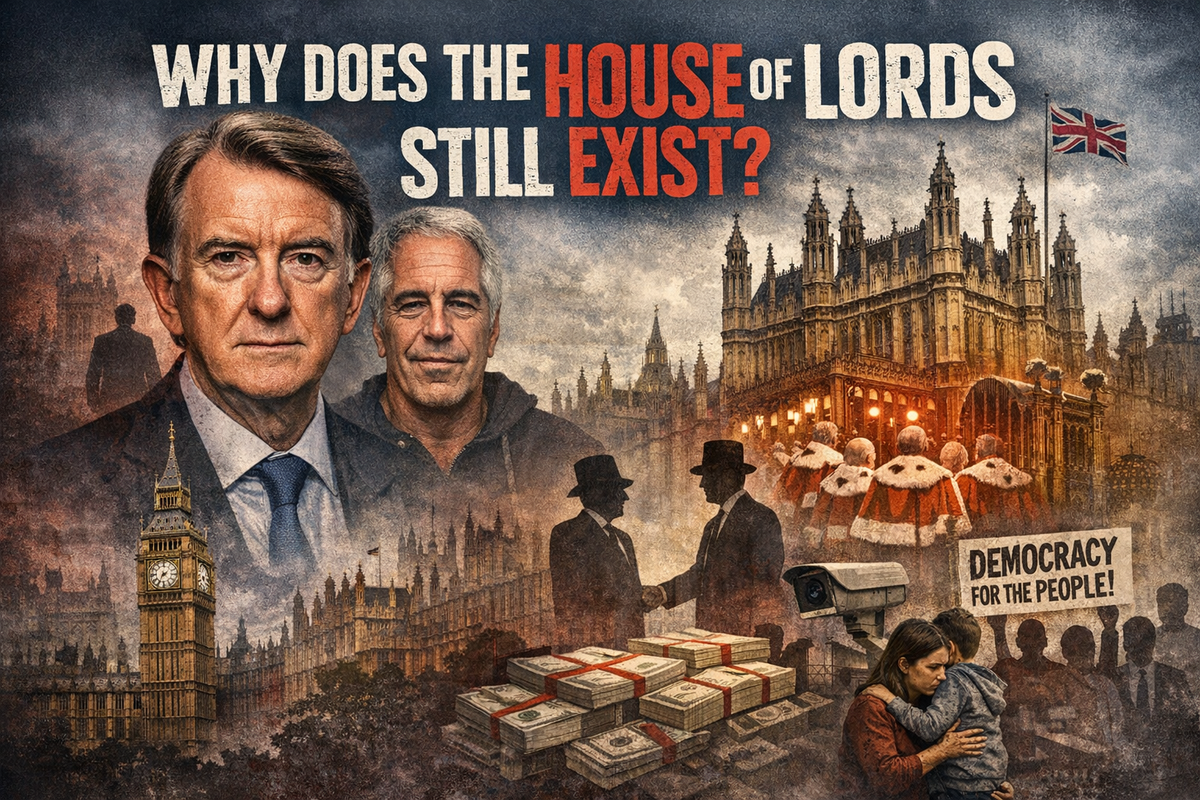
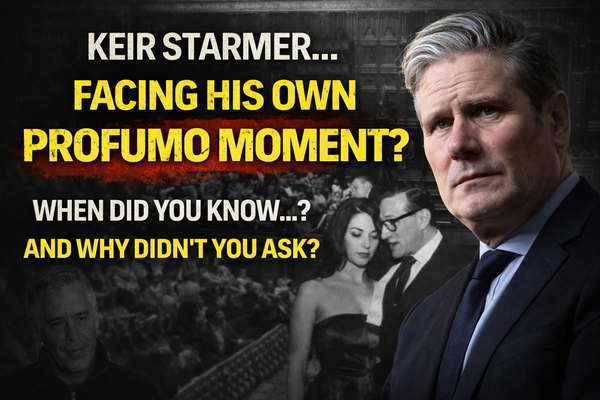
When the Prime Minister admitted that he knew about Peter Mandelson’s links to Jeffrey Epstein before appointing him, most people focused on one question.
Why did he still give him the job
That is important.
But it is not the biggest issue.
The bigger issue is this.
Why was a man with those links sitting in the House of Lords in the first place
Why does someone who has never faced voters get to shape laws, influence governments, and represent Britain abroad
And why are we still pretending this system makes sense in a modern democracy
Because this scandal did not come out of nowhere.
It came from a culture that protects insiders.
And the House of Lords is at the centre of it.
Mandelson was never accountable to you
Peter Mandelson was not elected
You never voted for him.
You never approved him.
You never had the chance to remove him.
Yet he helped run governments.
He influenced policy.
He advised Prime Ministers.
He represented Britain overseas.
All without ever asking the public for permission.
When someone like that gets close to a man like Jeffrey Epstein and still remains at the heart of power, it tells you something uncomfortable.
This system is not built for accountability.
It is built for protection.
The Prime Minister knew and chose silence
Let us be clear.
The Prime Minister admitted he knew about Mandelson’s Epstein ties before the appointment.
He was warned.
He went ahead anyway.
That is not an accident.
That is a decision.
It means public confidence was weighed against political convenience.
And convenience won.
If this had been an ordinary worker, the outcome would have been different.
But Mandelson belongs to a protected class.
And the Lords is where that class lives.
What is the House of Lords really for
Supporters say the Lords exists for expertise.
They say it improves laws.
They say it adds balance.
They say it protects democracy.
Look at this case and ask yourself honestly.
Did it protect anything
Did it improve anything
Did it hold anyone to account
No.
It sheltered power.
It provided cover.
It offered status without responsibility.
Most peers are appointed by politicians.
Many are donors.
Some are friends.
Others are loyal insiders.
This is not democratic oversight.
It is a private club funded by the public.
An unelected chamber in a fragile democracy
Britain already has low trust in politics.
Turnout is falling.
Cynicism is rising.
Young people feel ignored.
And yet we maintain a second chamber filled with people the public never chose.
People who cannot be voted out.
People who face no real consequences.
People who move between government, business, and lobbying.
When scandals happen, they land there softly.
That is not an accident.
That is design.
The Epstein connection makes it worse
Jeffrey Epstein was not just a criminal.
He built networks around power.
He collected influential people.
He created leverage.
So when a British peer remains connected to him, the implications are serious.
Security.
Reputation.
Diplomacy.
Markets.
All potentially affected.
And yet the system did not act.
Because acting would mean challenging one of its own.
Why this matters to ordinary people
Some will say this is elite drama.
It is not.
When elites protect themselves, everyone else pays.
Bad appointments lead to bad decisions.
Bad decisions lead to wasted money.
Wasted money leads to cuts.
Cuts hit ordinary families.
You feel it in housing.
In healthcare.
In schools.
In transport.
While insiders fail upwards.
The questions Parliament must answer
Enough spin.
These are the real questions.
Why was Mandelson in the Lords
Who approved his appointment
What did vetting reveal
Who overruled concerns
Why were warnings ignored
Where are the documents
If these cannot be answered clearly, then the system has failed.
Do we still need the House of Lords
This scandal forces an uncomfortable debate.
Do we really need an unelected chamber
Do we need life peers
Political appointees
Donors with titles
Insiders without accountability
Or do we need a democratic second chamber that answers to the public
Other countries manage it.
So can we.
What we have now is outdated and dangerous.
Final thought
The Mandelson Epstein story is not about one man’s judgement.
It is about a political class that protects itself.
It is about a House of Lords that no longer serves the people.
It is about a democracy that is quietly hollowing out.
If leaders want trust back, they must start with reform.
Real reform.
Not statements.
Not reviews.
Not excuses.
Accountability.
Until then, scandals like this will keep happening.
And nothing will really change.